
Composite Bonding in Asheville, NC
Years in Asheville
We file your out-of-network claims
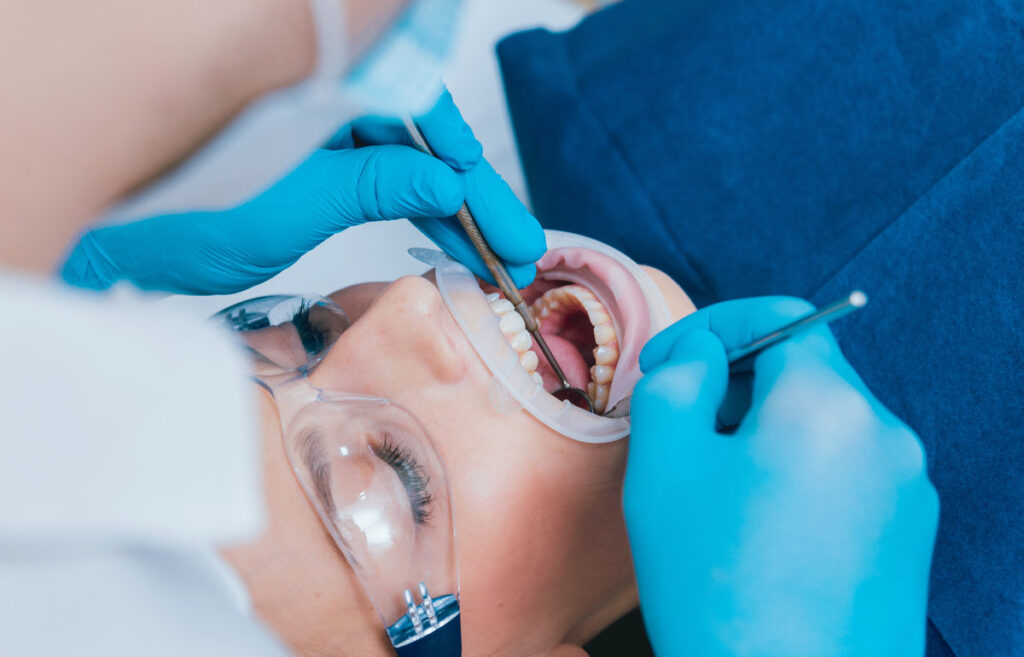
A chipped front tooth, a small gap that shows up in every photo, or one dark tooth that whitening never touched can make you hold back a full smile. Dental bonding can fix all three, often in a single visit of about an hour, with little or no drilling and no lab work. For many people in Asheville, it is the simplest way to change how a smile looks without committing to anything permanent.
At Travis J. Calhoun, DDS, we have repaired teeth for patients across western North Carolina since 1995, and bonding is one of the most conservative options in our cosmetic dentistry care. Dr. Calhoun sculpts the resin by hand, matches the shade to the teeth beside it, and tells you plainly when bonding is the right fit and when another treatment would serve you better.
What Is Dental Bonding?
Dental bonding, also called composite bonding, is a tooth-colored resin that we apply directly to your tooth, shape by hand, and harden with a curing light. The resin grips enamel that has been lightly roughened, so most of your natural tooth stays untouched. We blend shades of resin until the repair disappears into your smile.
Bonded resin is strong, and its weak point is well documented. A 2022 systematic review of 25 studies covering more than 75,000 front-tooth composite restorations, published in the Journal of Conservative Dentistry, found that fracture was the most common reason they failed. That is why every bonding visit here ends with practical advice on protecting the edges we just repaired.
What Dental Bonding Can Fix
Bonding works best for small cosmetic problems on teeth that are otherwise healthy. Patients most often ask us about it for the following concerns.
- Chips and cracks: small breaks along the edge of a front tooth can be rebuilt so the edge looks smooth and even again.
- Gaps between teeth: resin added to the sides of neighboring teeth can close minor spaces without braces.
- Stubborn stains: a single dark or spotted tooth that does not respond to whitening can be covered with a color-matched layer.
- Short or uneven teeth: worn or oddly shaped teeth can be lengthened and reshaped to match the teeth around them.
- Exposed roots: a thin layer of resin over a receded root surface may ease sensitivity and protect the area.
Tooth-colored resin is also used for small fillings, so a minor cavity can sometimes be treated in the same visit. Before we plan any cosmetic change, Dr. Calhoun checks the tooth and the gums around it with an exam and digital X-rays.
What Happens at Your Bonding Appointment
Most bonding visits take 30 to 60 minutes per tooth, and many patients need no numbing at all, since we only roughen the surface of the enamel. We choose the shade first, then apply a conditioning gel so the resin holds tight. Dr. Calhoun builds the resin in thin layers, shapes each one, and hardens it with a curing light.
Once the shape is right, we check your bite, smooth anything that feels high, and polish the surface until it reflects light like natural enamel. You leave with a finished tooth, not a temporary one. If you also want a brighter smile, plan on professional teeth whitening first, because resin keeps the shade it was matched to and will not lighten later.
How Long Does Dental Bonding Last?
With good care, bonding often lasts 3 to 10 years before it needs a touch-up. Where the tooth sits, how your teeth meet, and habits like nail biting, chewing ice, or opening packages with your teeth all affect that range. Coffee, tea, red wine, and tobacco can slowly stain the resin as well.
Caring for bonded teeth is simple. Brush twice a day with a soft brush and a non-abrasive toothpaste, floss daily, and avoid biting straight into hard foods with a bonded edge. If you clench or grind at night, a custom nightguard can protect both the bonding and your natural enamel. When a small chip does happen, composite can usually be repaired in one short visit without replacing the whole restoration.
Dental Bonding vs. Veneers and Crowns
Bonding is the most conservative and budget-friendly way to make small cosmetic changes, but it is not the right answer for every smile. Porcelain veneers resist stains better and last longer, so they are often the stronger choice when you want to change the shape or color of several front teeth at once. Veneers do require removing a thin layer of enamel, which makes them a more permanent decision.
When a tooth is badly broken or weakened by a large filling, a dental crown protects it far better than resin can. Dr. Calhoun walks you through each option and its cost before anything is scheduled. As a fee-for-service office, we file claims on your behalf so you can use any out-of-network benefits, although many plans treat cosmetic bonding as elective. We also offer CareCredit and Cherry financing.
Dental Bonding FAQs
Schedule Dental Bonding With Travis J. Calhoun, DDS
Dr. Travis Calhoun grew up in Asheville, trained at the University of North Carolina at Chapel Hill School of Dentistry, and has cared for patients of all ages here for more than 30 years. He completes around 30 hours of continuing education each year and keeps the office relaxed and unhurried, so you never feel pushed toward treatment you do not need.
If a chip, gap, or stubborn stain has you hiding your smile, bonding may be a quick and affordable way to fix it. Contact our office to schedule a cosmetic consultation, and we will help you decide whether bonding is the right fit for you.
Questions about payments and financing options? Give us a call at (828) 277-2722.

Meet Dr. Travis Calhoun, DDS
Dr. Travis Calhoun has been treating patients throughout Asheville and western North Carolina for over 30 years. A born-and-raised Asheville native, he studied at the University of Georgia before completing his dental training at the University of North Carolina, Chapel Hill, and has run a fee-for-service family practice here ever since. Patients trust his unhurried, detail-oriented approach to every treatment plan.
"It is my mission to treat everybody like they were my mom. I want to keep my skills at the absolute highest level so I can deliver the best dental care available, in a relaxed, laid-back atmosphere."