Pulp Capping in Asheville, NC
Years in Asheville
We file your out-of-network claims
When your dentist tells you that a tooth has decay reaching close to the nerve, it can feel like the news you didn’t want to hear. But there’s a good chance your tooth doesn’t need a root canal, and pulp capping might be exactly the reason why.
Dr. Travis Calhoun has been practicing general and restorative dentistry in Asheville for over 30 years, and saving teeth is at the heart of what we do. When a tooth’s pulp is exposed or threatened by deep decay, pulp capping offers a conservative path forward, one that protects the tooth’s living tissue and, in many cases, avoids more involved treatment down the road.
What Is Pulp Capping?
Pulp capping is a restorative procedure designed to protect the inner portion of a tooth, called the pulp, when it’s been exposed or is at risk of exposure due to decay or injury. The pulp contains the nerves and blood vessels that keep your tooth alive, and protecting it matters. When that layer is threatened but still healthy enough to heal, we have the opportunity to step in with a biocompatible material that acts as a shield, giving the pulp space to recover and form new protective dentin on its own.
There are two approaches depending on the situation: direct and indirect.
Direct Pulp Capping
Direct pulp capping is used when the pulp has been slightly exposed, either during decay removal or as a result of a minor procedural event. The capping material is placed directly over the exposure to seal it and encourage healing.
Indirect Pulp Capping
Indirect pulp capping takes a different route, leaving a thin layer of affected dentin over the pulp to avoid direct exposure while still addressing the decay. Both approaches are grounded in the same goal: to preserve the tooth’s vitality and give the pulp the protection it needs.
When Is Pulp Capping the Right Call?
Not every tooth with deep decay is a candidate, which is why a thorough evaluation matters. The best outcomes tend to occur when the pulp is still healthy and responsive, the exposure is small, and there are no signs of irreversible damage. Research published through the National Institutes of Health found that vital pulp therapy procedures, including direct pulp capping, achieved an overall success rate of 91.6% across more than 1,200 treated teeth monitored over several years. That kind of outcome is meaningful for patients who want to keep their natural teeth for the long haul.
What to Expect During Treatment
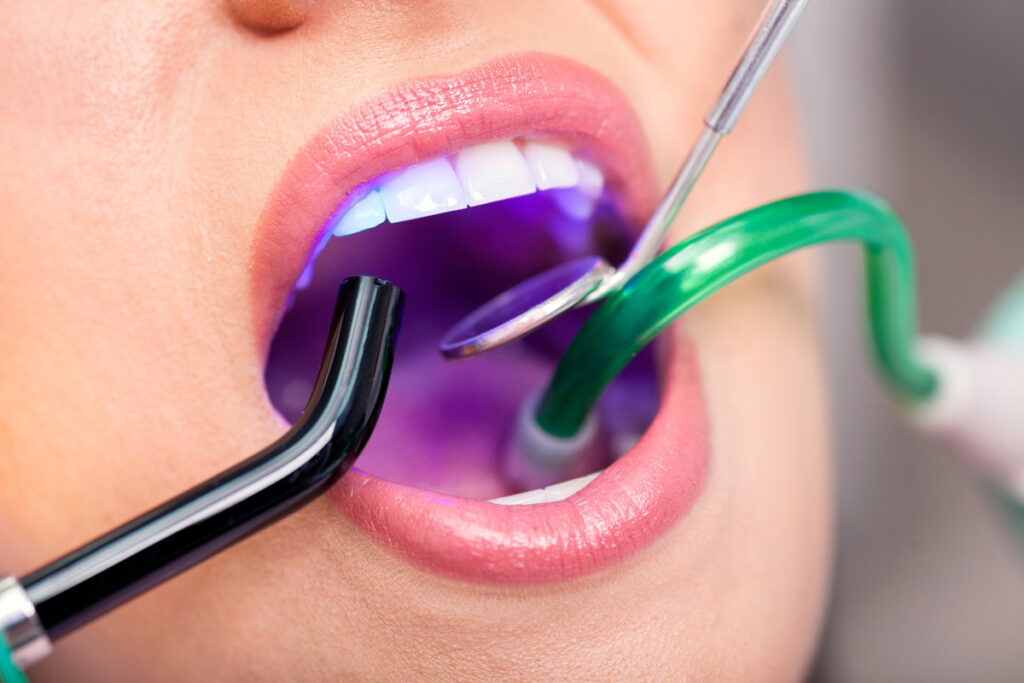
If we determine that pulp capping is the right approach for your tooth, the process is straightforward. We start by removing the decay carefully and evaluating the pulp. If the exposure is manageable and the tissue looks healthy, we place the capping material directly over the site. The tooth is then restored with a filling or crown to seal everything and protect the area from bacteria.
You may notice some mild sensitivity in the days following treatment, which is normal as the tooth adjusts. We monitor the tooth over time with follow-up appointments and digital X-rays to confirm that healing is progressing well. If at any point the tooth shows signs of needing further treatment, we’ll talk through your options clearly and without pressure.
How Pulp Capping Fits Into Our Restorative Philosophy
At our practice, the most minimally invasive option that achieves a good long-term outcome is always the preferred route. Pulp capping is a perfect example of that mindset. Rather than moving straight to root canal therapy when the pulp is still viable, we take the time to evaluate whether the tooth can be saved with a less intensive approach.
This kind of thoughtful decision-making is something patients notice, and something we take seriously. Our new patients page has everything you need to know before your first visit, including forms you can complete in advance to get started quickly.
See Why Asheville Trusts Dr. Travis Calhoun, DDS
Choosing where to receive dental care is a real decision, and the right fit matters. Dr. Calhoun’s philosophy is simple: treat every patient the way he’d want his own mother treated. That means no rushing, no unnecessary procedures, and no treatment that isn’t clearly in your best interest. For over 30 years, patients across western North Carolina have trusted this practice for exactly that kind of thoughtful, personal care.
We’re a fee-for-service practice, which means we file insurance claims on your behalf so you can use your out-of-network benefits without added hassle. If financing is something you’re considering, we offer options through CareCredit to help make care accessible on your timeline. Our experienced team brings clinical knowledge and genuine warmth that makes a real difference, especially for patients who feel anxious about dental work. If you have a tooth that may need attention, we’d love to take a look and give you an honest answer. Contact our office to schedule an appointment and find out whether pulp capping is the right next step for you.
Questions about payments and financing options? Give us a call at (828) 277-2722.

Meet Dr. Travis Calhoun, DDS
Dr. Travis Calhoun has been treating patients throughout Asheville and western North Carolina for over 30 years. A born-and-raised Asheville native, he studied at the University of Georgia before completing his dental training at the University of North Carolina, Chapel Hill, and has run a fee-for-service family practice here ever since. Patients trust his unhurried, detail-oriented approach to every treatment plan.
"It is my mission to treat everybody like they were my mom. I want to keep my skills at the absolute highest level so I can deliver the best dental care available, in a relaxed, laid-back atmosphere."