
Endodontics in Asheville, NC
Years in Asheville
We file your out-of-network claims
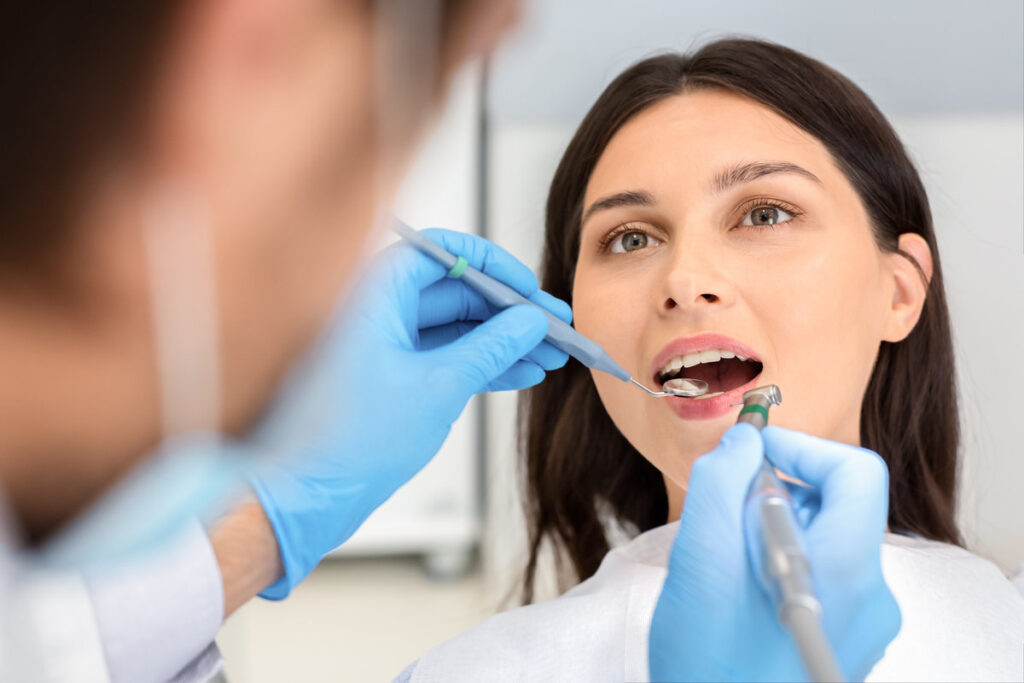
A toothache that throbs at night, pain that spikes when you bite, or sensitivity to hot coffee that lingers long after the cup is empty all point to trouble deep inside a tooth. Root canal therapy has a scary reputation, but it is one of the most reliable ways to relieve that pain and keep the tooth you were born with. Most patients are surprised by how ordinary the appointment feels.
At Travis J. Calhoun, DDS, root canal therapy is part of the restorative dentistry Dr. Calhoun has provided in Asheville since 1995. Many root canals can be treated right here, in the same office where you already get your cleanings and checkups, and when a tooth has unusually complex anatomy, Dr. Calhoun will tell you plainly if an endodontist is the better choice.
What Is Root Canal Therapy?
Endodontics is the branch of dentistry that treats the inside of the tooth. Under the enamel and dentin sits the pulp, a soft core of nerves and blood vessels that can become inflamed or infected after deep decay, a crack, repeated dental work, or an injury. Root canal therapy removes that damaged pulp, cleans and disinfects the canals inside the roots, and seals them so bacteria cannot return.
Root canal therapy is the most common endodontic treatment, but it is not the only one. A small exposure near the nerve can sometimes be protected with pulp capping, and a tooth treated years ago that becomes infected again may need endodontic retreatment. When infection lingers at the tip of a root, an apicoectomy may help, and teeth hurt in falls or sports often need care for traumatic dental injuries.
Signs You May Need a Root Canal
Some infected teeth announce themselves loudly, while others stay quiet until an X-ray shows a problem. These are the signs that most often lead to a root canal evaluation.
- Lingering pain: a deep, throbbing ache that wakes you up or returns without an obvious trigger.
- Pain when biting: sharp pain when you chew or press on one tooth.
- Temperature sensitivity: hot or cold sensitivity that lasts long after the food or drink is gone.
- Swelling or a gum bump: tender, swollen gums or a small pimple-like bump near one tooth.
- A darkening tooth: a tooth that turns gray or darker than the teeth beside it.
Not every toothache means you need a root canal, and in some cases a tooth can be saved another way, so we confirm the cause with an exam and digital X-rays before recommending treatment.
What Happens During Root Canal Treatment
Treatment starts with local anesthesia, so the area is fully numb before we begin. Dr. Calhoun places a small protective shield around the tooth, makes an opening in the top, and removes the infected or inflamed pulp. He then cleans, shapes, and disinfects each canal before filling it with a rubber-like material and sealing the opening.
Many root canals are finished in one visit, while others need a second appointment so medication can calm the infection first. Many patients find the procedure feels much like getting a filling, and soreness afterward usually fades within a few days with over-the-counter pain relief. The pain people dread is usually caused by the infection itself, which is why waiting tends to make things worse rather than better.
Root Canal or Extraction?
When a tooth is badly infected, the two main paths are saving it with root canal therapy or removing it. Extraction can look faster and cheaper in the moment, but a missing tooth usually needs a bridge, implant, or denture to keep neighboring teeth from shifting and to protect your bite. Once that replacement is counted, saving the natural tooth is often the more economical choice.
Root canal therapy makes sense when enough healthy tooth structure remains to support a crown. Tooth extraction becomes the better option when a tooth is cracked below the gumline, has lost too much bone support, or cannot be predictably restored. Dr. Calhoun shows you what he sees on your X-rays so the decision rests on your tooth, not a blanket rule.
Why a Crown Matters After a Root Canal
A root canal removes the infection, but it also leaves the tooth more brittle, especially a molar or premolar that handles heavy chewing. Research supports protecting it promptly. A study of more than 71,000 root canal treated teeth in general dental practices, published in the Journal of Dental Research, found that teeth left without a filling or crown lasted a median of about 6.5 years, while teeth that received a filling and then a crown lasted a median of about 20 years.
That is why we plan the final restoration before treatment begins. Because root canal therapy and dental crowns happen in the same office, you do not need to coordinate between practices, and digital X-rays and Trios digital scans help us plan a crown that fits your bite. As a fee-for-service office, we file claims on your behalf so you can use out-of-network benefits, and we offer CareCredit and Cherry financing.
Root Canal Therapy FAQs
Root Canal Therapy With Travis J. Calhoun, DDS
Dr. Travis Calhoun is an Asheville native, a graduate of the University of North Carolina at Chapel Hill School of Dentistry, and a general and restorative dentist who has cared for western North Carolina families for more than 30 years. He completes around 30 hours of continuing education each year, and his mission is simple: treat every patient the way he would want his own mother treated, in a relaxed office where your questions get honest answers.
If a tooth is throbbing, sensitive, or swollen, waiting rarely helps. Contact our office to schedule an evaluation, and we will tell you whether root canal therapy, a simpler repair, or another option is the best way to save your tooth.
Questions about payments and financing options? Give us a call at (828) 277-2722.

Meet Dr. Travis Calhoun, DDS
Dr. Travis Calhoun has been treating patients throughout Asheville and western North Carolina for over 30 years. A born-and-raised Asheville native, he studied at the University of Georgia before completing his dental training at the University of North Carolina, Chapel Hill, and has run a fee-for-service family practice here ever since. Patients trust his unhurried, detail-oriented approach to every treatment plan.
"It is my mission to treat everybody like they were my mom. I want to keep my skills at the absolute highest level so I can deliver the best dental care available, in a relaxed, laid-back atmosphere."