
TMJ Explained: Why Your Jaw Hurts and What You Can Do About It
Gum disease often starts quietly, with a little bleeding when you brush or a slight puffiness along the gumline that seems easy to ignore. By the time most patients notice real discomfort, the condition has usually progressed further than they realize, and older treatment methods that once required cutting and stitching gum tissue made many people put off care they needed.
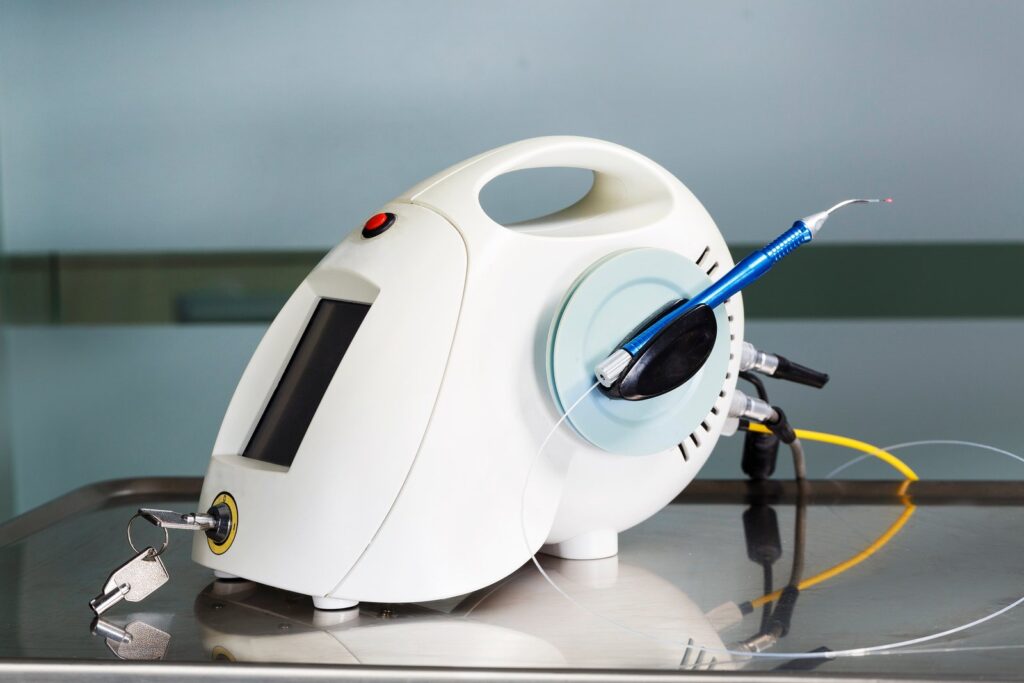
At Travis J. Calhoun, DDS, we understand fear of an uncomfortable procedure is one of the biggest reasons patients delay treatment for their gums. Laser dentistry has changed that conversation, and it now plays a role across several areas of our restorative dentistry services, giving patients a more comfortable path toward healthier gums.
How Does Laser Treatment Differ From Traditional Gum Disease Therapy?
Traditional periodontal treatment typically involves a scalpel, sutures, and a longer recovery window. Laser-assisted therapy takes a different approach entirely. A concentrated beam of light energy targets and removes diseased tissue with remarkable precision, while healthy tissue nearby stays largely undisturbed.
This precision matters because gum disease does not affect every pocket around every tooth equally. A laser allows the treating dentist to focus only on the areas where bacteria and infected tissue have taken hold, rather than treating a broader area the way traditional methods often require. Research on laser use in periodontal care shows this kind of targeted tissue interaction supports bacterial reduction and encourages the body’s own healing response, which is part of why laser-based approaches have gained wider acceptance in modern dental practices.
What Makes Laser Therapy More Comfortable for Patients?
Comfort is often the deciding factor for patients who have avoided gum treatment in the past. Laser energy naturally seals blood vessels and nerve endings as it works, which is why many patients experience noticeably less bleeding during treatment and less swelling afterward compared to conventional gum therapy.
Because the laser is so precise, there is generally less trauma to surrounding tissue. That translates into a smoother recovery, often without the need for sutures at all. Many patients are able to return to normal eating and daily routines much sooner than they expect. For a practice built around treating people the way we would want our own family treated, that difference matters just as much to us as the clinical outcome. Regular visits for exams and cleanings remain the best way to catch gum concerns early, before more involved treatment becomes necessary.
Why Might Laser Treatment Lead to Better Long-Term Results?
Beyond comfort, laser therapy offers real advantages for long-term gum health. The precision of the laser allows for more thorough removal of bacteria deep within periodontal pockets, an area that is difficult to fully access with hand instruments alone. Reducing that bacterial load is central to slowing the progression of gum disease and protecting the bone that supports your teeth.
Laser treatment can also stimulate a more favorable healing response in the gum tissue itself. A review of laser applications in periodontal care published by the National Institutes of Health found laser-assisted procedures have been associated with improved outcomes in clinical attachment and reduced pocket depth when compared with some conventional techniques. That kind of measurable improvement is exactly what we are looking for when we build a treatment plan meant to protect your smile for years, not just months.
Patients considering treatment often want to understand what sets this approach apart. Here is what typically stands out with a laser-based method:
- Precision matters: The laser targets only diseased tissue, leaving healthy gum structure intact.
- Comfort improves: Patients experience reduced bleeding and swelling during and after the procedure.
- Recovery is faster: Healing time shortens, and sutures are rarely needed.
- Bacteria control deepens: The laser reaches further into periodontal pockets for a more thorough clean.
These benefits do not mean every case is treated exactly the same way. The right approach always depends on how far the gum disease has progressed and what your mouth specifically needs, which is why a thorough evaluation always comes first.
How Do We Determine if Laser Treatment Is Right for You?
Every case of gum disease looks a little different, which is why we start with a comprehensive evaluation before recommending any course of treatment. That process often includes a review of pocket depths around each tooth, an assessment of bone support, and a conversation about your health history and any concerns you have.
From there, we walk you through your options honestly, comparing laser therapy with other approaches so you understand exactly why we are recommending one path over another. Our goal has never been to push a specific technology just because it exists. It is to recommend whatever will genuinely protect your gum health while keeping your experience as comfortable as possible.
Ready to Explore Laser Treatment for Gum Disease With Travis J. Calhoun, DDS?
For more than 30 years, Travis J. Calhoun, DDS has served families across Asheville and the surrounding communities of western North Carolina with a whole-person approach to dental care. Dr. Calhoun keeps his skills at the highest level while still providing a laid-back, friendly atmosphere where patients feel relaxed and cared for.
If bleeding gums, sensitivity, or a previous gum disease diagnosis have been on your mind, we would love to talk with you about whether laser treatment could be part of your care plan. Reach out through our contact form to schedule an evaluation, and let’s find the path forward that fits your needs and your comfort level.